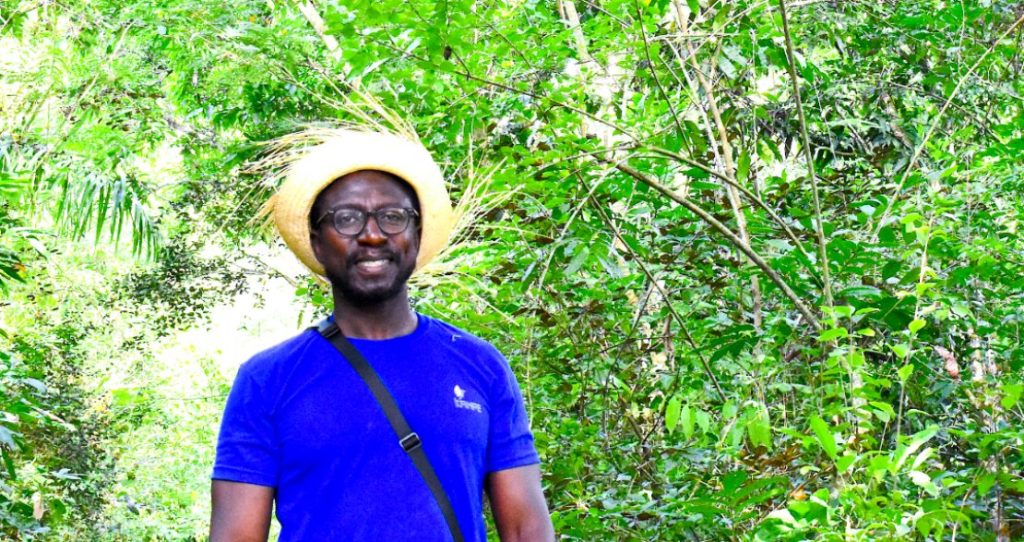
In Baille Tourible, some mornings begin before sunrise. Not to enjoy the cool air, or to take in the scenery. To go fetch water.
Ylianne Casséus knows those mornings by heart. A farmer and trader, she has lived in this community in Haiti’s Central Plateau since birth. And for years, water was her first battle of the day.
30 to 40 minutes.
That is not a metaphor. That is how long it took Ylianne to reach the water source, along steep paths through mountains and thick brush. She carried containers, large basins, depending on the day: for drinking, for washing, for cooking. Her children sometimes came with her. Children who should have been getting ready for school, but who took part in this daily chore because there was no other choice.
And when cholera spread through the community, fear was added to the burden. Every trip to the source became one more thing to worry about.
A system down, a community waiting
Baille Tourible had a water network. It just was not working anymore. The infrastructure was there, silent and useless. Ylianne and her neighbors kept making the trip, back and forth, day after day.
Then she heard that the KANPE Foundation was going to step in and restore the system. She says she believed it from the start. And in September, when the work was completed and the water began to flow again, she felt something at once simple and immense: relief.
What water actually changes
Since the system started working again, Ylianne no longer goes back to the small source. On the surface, it looks like a logistical change. But behind that change is a chain of quiet, far-reaching transformations.
She has time. Time to get her household tasks done when they need to be done. Time for her business, for her work on the fields. The family’s health has improved. The risk of illness has gone down.
Access to clean water gives time back to women. It gives health back to families. It gives dignity back to an entire community.
A wish, clear and generous
Ylianne is not keeping this good fortune to herself. Her wish, expressed simply and with remarkable clarity, is that KANPE install more water points in the most remote areas, where women and children are still making the trek to small sources, with all the health risks that come with it.
She has benefited from the project. And she is already thinking about those who have not yet.
That, too, is what empowerment looks like: when someone who has received something starts thinking about how to widen the circle.